

How to travel to Cusco and Machu Picchu after COVID-19
- Hann
- Cusco
- blog travel cusco, cusco guide, cusco machu picchu, cusco peru, cusco tours, cuscomachupicchu, cuzco travel, machu picchu tours, travel to cusco, trip to cusco, viva air peru

These are very difficult times and a frequent question is how to travel to Cusco and Machu Picchu after COVID-19. For many travelers / tourists trips to Cusco and Machu Picchu, flights in Cusco have been rescheduled, suspended and in some cases canceled. The visits to Cusco and Machu Picchu are going to change in a radical way and this will involve many drawbacks, one of them will be the limited visit and it will only be for a short time, due to the number of people waiting to enter. Due to health and safety issues, visits to tourist destinations will be made while maintaining distance between tourists and a small group will be chosen, which may mean that prices will rise in some cases. Important things you should know before traveling to Peru You should consider these recommendations before traveling to Peru. • Be aware of restrictions imposed by the Peruvian government for the entry of foreigners. It is not yet known whether the foreign tourist will quarantine arriving in Peru, or a simple rapid or molecular test will suffice to rule out COVID-19. • Take advantage of the travel offers that will be on sale, you must make sure that they have the flexibility to change the date, so you can postpone it to the date that suits you best. • If you are going to buy your Airplane ticket do it directly from the Airline, do not use platforms. So you can change your flight date quickly and you will not have many problems. Visit Cusco and Machu Picchu after COVID-19 After complying with all the protocols that the Peruvian state gave your visit to Cusco and Machu Picchu, we assume that it will be something like this: • Cusco and its main tourist attractions (Sacred Valley
How to get to Machu Picchu from Cusco
- Hann
- Cusco
- about cusco, blog travel cusco, cusco guide, cusco tours, cuzco travel, guide cusco, peru rail, peruvian, travel to cusco, trip to cusco
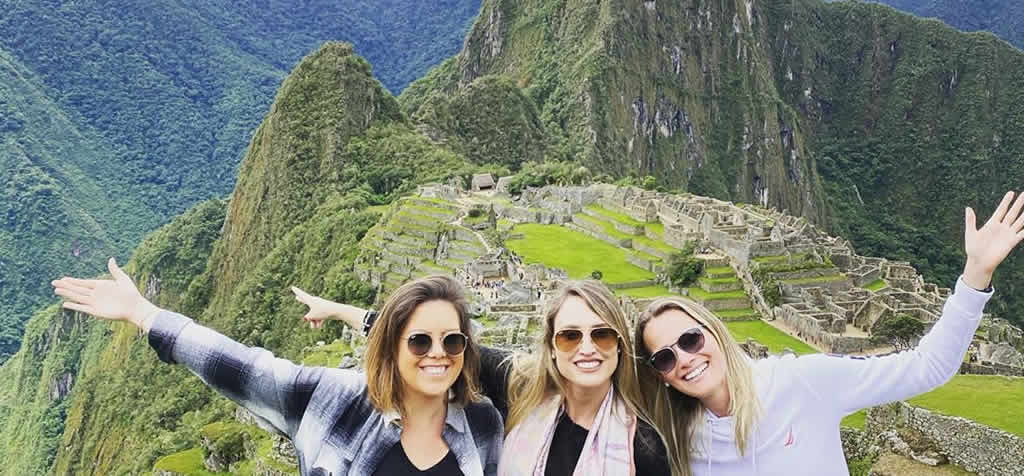
How to get to Machu Picchu from Cusco is a very frequent question of every traveler, here we will give you some tips and advice on how to get to Aguas Calientes, "Machu Picchu town" from Cusco. Know the most famous routes to visit the Inca city of Machu Picchu. Machu Picchu from Cusco Via Train One of the ways to get to Aguas Calientes (Machu Picchu Town) from Cusco is by train, this route is generally very beautiful since on the way you can see beautiful landscapes of the sacred valley of the Incas. To opt for this option you must purchase your train ticket from the San Pedro train station or buy directly from the pages of Peru Rail or Inca Rail, both companies offer the train from Cusco to Aguas Calientes (Machu Picchu town). This service is available from April to December, in other months the route is closed. How to get to the San Pedro station? • From the Cusco Airport, you can choose to take a taxi, the approximate cost is 10 Soles and the estimated time is 30 minutes, it all depends on the city traffic. • From the center of Cusco and surroundings, you can take a taxi, cost 5 soles and the approximate time is 15 minutes, it all depends on the traffic of the city. • From the Plaza de Armas of Cusco or very close to it you can choose to walk. The San Pedro train station is 10 minutes from the Plaza de Armas of Cusco. You can walk with ease but always take care of your belongings. Machu Picchu from Ollantaytambo Via Tren Another option to get to Aguas Calientes (Machu Picchu town) is by Ollantaytambo via train, this route is very beautiful and many travelers prefer to
Calendar of feast and festivals of Cusco 2022
- Hann
- Cusco
- about cusco, blog travel cusco, cusco guide, cusco tours, tours cusco, travel to cusco, trip to cusco

Calendar of feast and festivals of Cusco 2022, knows all the celebrations of the cusco 2019 that starts from the month of January to December. Official chronogram to know all the parties of Cusco 2019 and thus be able to visit this beautiful city. Cusco is one of the most important cities in Peru and receives a large number of foreign and national tourists every day. Cusco Festival Calendar 2022 Month of January January 6: Bajada de Reyes; Traditional Cuzco party that ends the traditional Cusco Christmas. It is a party where you can observe and learn more about the religious festival in Cusco. Month of March March 3: Cusqueño Carnival: The Cusco Carnival is undoubtedly one of the funniest parties in Cusco, where thousands of tourists and people from Cusco gather in the parade ground to celebrate and play carnivals. You can also see dances and comparsas celebrating carnivals, a traditional festival that you can not miss. Month of April April 18 and 19: Holy Week: Easter in Cusco is a traditional festival where you can appreciate the most important events in the Christian world, which commemorates the death and resurrection of Jesus Christ. Holy Week in Cusco has as central day Holy Monday (the day after Palm Sunday) date that leaves in procession the Patron Pattern of Cusco, the Lord of the Earthquakes. Cusco the city of the Tahuantinsuyo Empire celebrates Holy Week by paying homage to the image of the Lord of the Earthquakes or Taitacha Temblores, in Quechua. A party where you can learn more about the customs of Cusco. Month of May May 3: Feast of the Cross or Cruz Velacuy; The celebration of the Cross in Cusco, begins on May 3 and is usually celebrated throughout Cusco and its surroundings. In this feast the
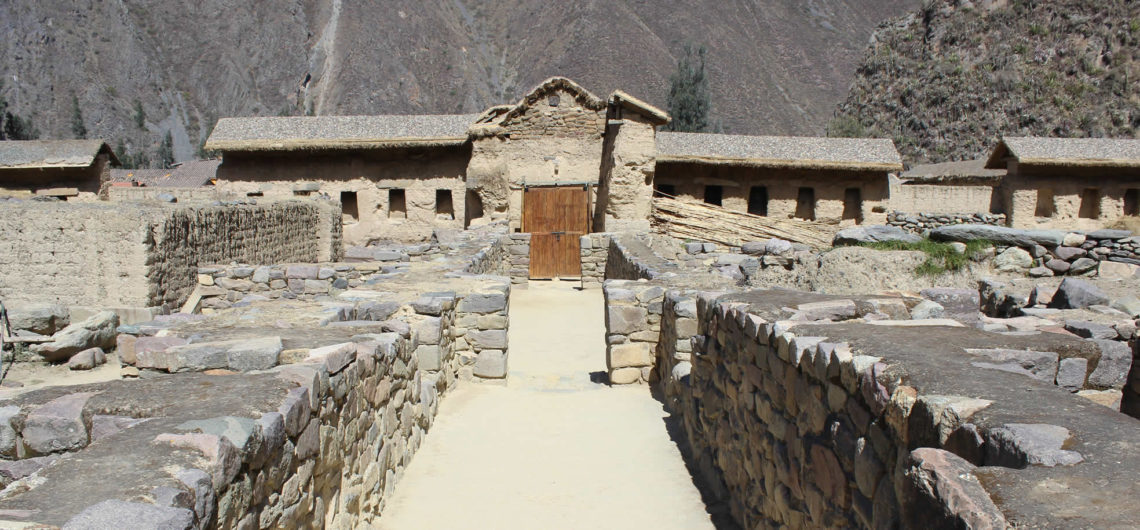
The architectural complex of Ollantaytambo is located in the district of the same name in the province of Urubamba. The town is approximately 80 km northeast of the city of Cusco, along the Chinchero – Urubamba road. Ollantaytambo, in the time of the Incas was used as tambo. A tambo was a city – lodging that had the capacity to accommodate thousands of people and they were endowed with gigantic deposits of food, very good roads and places of astronomical observation. They were also characterized by the proper distance that separated them from Cusco, for being located in a main route of the Incanato, which facilitated the rest of the walkers to places of great importance, as in this case the Citadel of Machu Picchu. The Incas provisioned this water fortress through subterranean aqueducts, whose places of capture were state secrets in their time and until today are not discovered. Ollantaytambo is the clearest example of how the Incas built the imposing archeological complexes that we can admire until now, as you can appreciate the origin, extraction, carving, transport and perfect assembly of the stones.

The archaeological remains of Sacsayhuaman are located only 2 km. of the city of Cusco. Its name comes from two Quechua words Sacsay = “satiate” and huaman = “hawk” ie the hawk satisfied and in the Inca era was a great center of worship. According to historians its construction would have been initiated in the fourteenth century in the government of Pachakuteq and continued Tupac Yupanqui, would have taken about seven decades and the work of 20000 men its culmination. The archaeological complex occupies the edge of the northern slope of the city. The south side of the building was surrounded by a polished wall almost 400 meters long. The boundaries of the temple, to the east and the west, were marked by other walls and platforms. The main front of the building looks to the north and is protected by a formidable system of three platforms. These are supported by zigzag walls, made up of large stones, which astonished its first visitors and which continues to astonish even now. The Inca Garcilaso affirms that these walls were made to demonstrate the Inca power. The main wall consists of stones that can measure up to 5 meters high and 2.5 meters wide, and which can weigh between 90 and 125 metric tons. Moving these stones was a real feat, but so was the perfect fit between them, as well as the care taken in the curvature of the cushions. From Sacsayhuamán you get a spectacular view of Cusco City and its surroundings. In addition, you can see peaks such as Ausangate, Pachatusan and Cinca, places believed to be inhabited by apus or powerful spirits that rule the mountains. To the front of the complex is the Suchuna or rodadero, is a natural formation of rock of igneous origin that emerged

Cusco festivals for months